Exploring Diverse Makeup Course Selections: An Informative Guide for Aspiring Artists in 2025
In 2025, the world of professional makeup artistry is more dynamic and diverse than ever before. From the burgeoning fields of virtual reality makeup design to the timeless demands of bridal and editorial beauty, aspiring artists face a rich tapestry of educational pathways. Selecting the right makeup course is not merely a step towards acquiring skills; it's a foundational decision that shapes one's career trajectory, artistic philosophy, and professional network. As the industry continually evolves with new techniques, products, and ethical considerations, understanding the breadth of available course selections becomes paramount for anyone serious about mastering this creative craft and building a sustainable future within it.
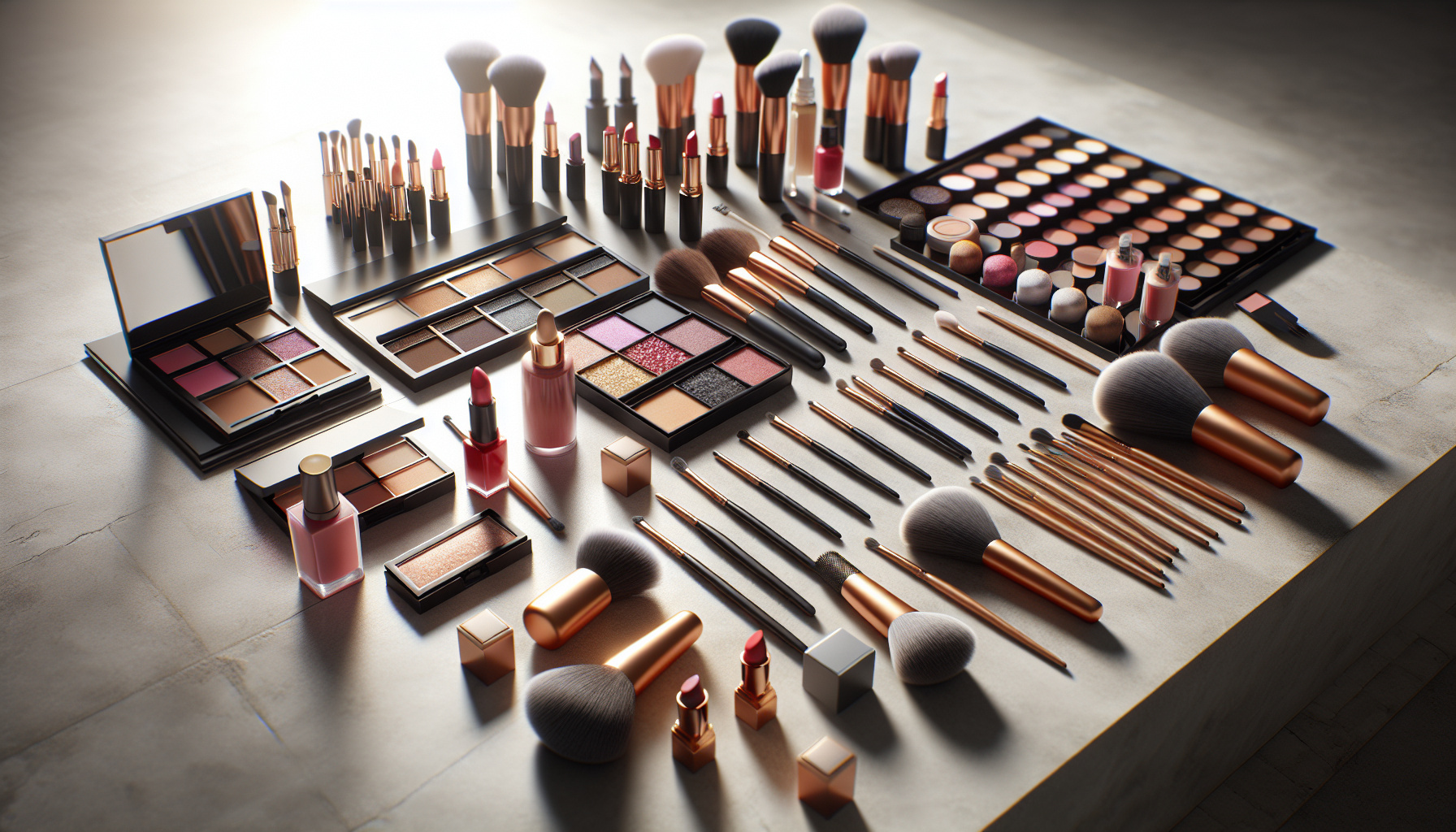
Understanding the Landscape of Makeup Education in 2025
The beauty industry in 2025 is characterized by rapid innovation and a strong emphasis on personalized artistry, inclusivity, and sustainable practices. For individuals considering a career in makeup, the educational journey is a critical first step. Gone are the days when a single 'general makeup course' sufficed; today's aspiring artists must navigate a spectrum of specialized programs designed to cater to distinct facets of the industry. This section aims to demystify these options, providing a clear framework for evaluation.
Practical Guidance: Evaluating and Selecting the Right Makeup Course
Choosing a makeup course requires careful consideration of personal aspirations, learning style, and career goals. Here's a comprehensive guide to help prospective students make an informed decision:
1. Identifying Your Niche and Course Type:
The first step is to reflect on where your passion truly lies. Do you envision yourself working on film sets, at fashion shows, with private clients for special events, or perhaps in product development? Each path typically requires a different specialization:
- Beauty and Bridal Makeup: This foundational category focuses on enhancing natural beauty for everyday wear, special occasions, and, most prominently, weddings. Courses often cover color theory, skin analysis, contouring, highlighting, lash application, and sanitation protocols.
- Fashion and Editorial Makeup: Geared towards high-fashion runways, magazine shoots, and advertising campaigns. This specialization emphasizes creative, avant-garde, and often trend-setting looks. Artists learn how to collaborate with stylists and photographers to achieve a cohesive artistic vision.
- Special Effects (SFX) Makeup: For those drawn to the transformative power of makeup in film, television, and theatre. SFX courses delve into prosthetics, injury simulation, creature design, aging techniques, and character development. This is a highly technical field requiring advanced sculptural and painting skills.
- Theatrical and Performance Makeup: Concentrates on makeup for stage productions, ensuring visibility under stage lights and the ability to project character. It often includes historical makeup, clowning, and stylized character looks.
- Media Makeup (Film & TV): A blend of beauty, character, and SFX, specifically adapted for the demands of high-definition cameras. This includes understanding lighting, continuity, and working efficiently on set.
- Cosmetology vs. Esthetician Programs with Makeup Focus: Some individuals might opt for broader programs that include makeup artistry. Cosmetology licenses typically cover hair, skin, and nails, while esthetician programs focus on skin care. Both may offer advanced makeup modules but are not solely dedicated to makeup.
2. Exploring Delivery Methods:
Education is no longer confined to traditional classrooms. In 2025, diverse learning formats offer flexibility and accessibility:
- In-Person Academies/Schools: Offer hands-on learning, direct instructor feedback, and immediate networking opportunities. This is often preferred for foundational skills and complex techniques like SFX where physical demonstration and correction are crucial.
- Online Courses and Certifications: Provide flexibility in schedule and location. They vary widely in quality; look for programs with comprehensive video tutorials, interactive sessions, practical assignments, and virtual critique. Some reputable platforms include MasterClass (for specific industry insights) or specialized online makeup academies.
- Blended Learning Programs: Combine online theory with in-person practical workshops, offering the best of both worlds.
- Workshops and Masterclasses: Excellent for skill refinement, learning new techniques, or exploring specific niche areas. They are typically short-term and taught by industry experts.
3. Evaluating Curriculum and Accreditation:
A robust curriculum should cover not just application techniques but also the scientific and business aspects of makeup artistry:
- Core Modules: Look for courses that include color theory, skin anatomy, hygiene and sanitation, product knowledge (ingredients, types), face shape analysis, and corrective makeup.
- Specialized Modules: Ensure the course aligns with your chosen niche, offering depth in bridal techniques, SFX prosthetics, editorial concepts, etc.
- Professional Skills: Business acumen (client management, marketing, portfolio building, invoicing), set etiquette, and professional ethics are increasingly vital.
- Accreditation and Recognition: Research if the institution is accredited by relevant educational bodies or recognized by industry organizations. This can impact the validity of your certification and potential employment opportunities. For example, in the UK, the VTCT or CIBTAC accreditations are well-regarded. In the US, look for state licensing board approvals or recognition by organizations like the National Accrediting Commission of Career Arts and Sciences (NACCAS).
- Instructor Expertise: The quality of instruction is paramount. Research the instructors' professional experience, industry standing, and teaching methodologies.
4. Considering Portfolio Development and Industry Connections:
A strong portfolio is your visual resume. A good course will integrate opportunities for building this:
- Photo Shoots: Courses should ideally include professional photo shoots to capture your work for your portfolio.
- Guest Speakers & Networking: Access to industry professionals for mentorship, internships, or job leads can be invaluable.
- Alumni Network: A supportive alumni community can offer ongoing career support and collaboration opportunities.
Example Scenario: An aspiring artist, Maya, is passionate about film and television. She researches SFX makeup courses, comparing an online program with a local in-person academy. The online course offers extensive video modules and virtual critiques, but the academy provides hands-on prosthetic sculpting, direct instructor demonstrations, and guaranteed professional portfolio shoots with industry photographers. Considering the tactile nature of SFX and the importance of a strong initial portfolio, Maya opts for the in-person academy, recognizing the long-term benefits of direct, practical experience.
Long-Term Considerations: Beyond the Classroom
Completing a makeup course is just the beginning. A successful career in makeup artistry involves ongoing commitment, learning, and financial planning. Understanding these long-term aspects is crucial for sustained success.
1. Continuing Education and Skill Maintenance:
The beauty industry is constantly evolving. New products, technologies, and trends emerge rapidly. Therefore, continuous learning is not optional but essential:
- Staying Current: Regularly attend workshops, masterclasses, and industry trade shows (e.g., IMATS - International Make-Up Artist Trade Show) to learn new techniques and stay abreast of trends.
- Advanced Certifications: Consider specialized certifications in areas like airbrush makeup, advanced prosthetics, or specific cultural makeup styles to broaden your skill set and market appeal.
- Digital Tools: Familiarize yourself with digital platforms for portfolio management, client booking, and social media marketing. Understanding tools like Photoshop for touch-ups or even basic video editing for online content is increasingly beneficial.
2. Recurring Responsibilities and Professional Development:
Building and maintaining a professional reputation requires consistent effort:
- Networking: Actively build and maintain relationships with photographers, stylists, models, agencies, and other artists. Networking can lead to collaborations, referrals, and career growth.
- Portfolio Updates: Regularly update your professional portfolio with your latest and best work. A dynamic portfolio reflects your current skill level and versatility.
- Professional Hygiene and Safety: Uphold the highest standards of hygiene and sanitation for tools and products, not just for client safety but also for professional credibility.
- Business Acumen: If working freelance, understanding business operations – from marketing yourself to managing finances, contracts, and insurance – is paramount.
3. Associated Ownership Costs and Investments:
A career in makeup artistry involves significant ongoing investment beyond the initial course fees. These are not 'ownership costs' in the traditional sense, but rather 'professional investment costs':
- Makeup Kit & Product Replenishment: An initial professional makeup kit can be a substantial investment (ranging from hundreds to thousands of dollars/pounds/euros). This is a recurring cost as products expire, are used up, or new products are needed to meet client demands and industry trends. Budgeting for replenishment every 3-6 months is realistic.
- Tools and Equipment: Brushes, sponges, sanitizing solutions, cases, lighting, and chairs all require initial purchase and eventual replacement or upgrade.
- Insurance: Professional liability insurance is crucial for freelance artists to protect against claims of injury or damage.
- Marketing and Website: Costs associated with maintaining a professional website, social media advertising, and creating marketing materials.
- Transportation: Travel to clients, shoots, and events can incur significant costs (fuel, public transport, vehicle maintenance).
- Membership Fees: Fees for professional organizations, unions (e.g., IATSE for film/TV), or exclusive industry groups.
To illustrate the varying investment levels, consider this simplified overview of typical professional makeup kit costs (as of 2025):
| Makeup Artist Specialization | Initial Kit Investment (Estimated USD) | Annual Replenishment (Estimated USD) | Key Items Driving Cost |
|---|---|---|---|
| Beauty/Bridal Makeup Artist | $1,000 - $3,000 | $500 - $1,500 | Foundations, concealers, extensive brush sets, high-quality skincare prep, diverse color palettes, lashes. |
| Fashion/Editorial Makeup Artist | $2,000 - $5,000 | $800 - $2,500 | Specialty products, avant-garde pigments, artistic tools, extensive skincare range, high-end foundations. |
| Special Effects (SFX) Makeup Artist | $3,000 - $10,000+ | $1,500 - $5,000+ | Prosthetic materials, specialized adhesives, silicone, latex, theatrical paints, airbrush equipment, sculpting tools, creature components. |
| Media (Film & TV) Makeup Artist | $2,500 - $7,000 | $1,200 - $3,000 | HD-specific foundations, extensive skin prep, tattoo coverage, character makeup components, on-set specific tools, extensive continuity products. |
Note: These figures are estimates and can vary significantly based on brand choice, geographic location, and specific project needs.
This long-term perspective emphasizes that a career in makeup artistry is not just about talent; it's about strategic planning, continuous improvement, and savvy financial management.
Disclaimer: This information is for general informational and educational purposes only and does not constitute professional advice. Prices and industry trends are accurate as of 2025 but are subject to change. Always conduct thorough research and consult with educational advisors or industry professionals before making significant career or financial decisions.
Frequently Asked Questions (FAQ)
Q1: What's the fundamental difference between a beauty makeup course and an SFX makeup course?
A1: A beauty makeup course primarily focuses on enhancing natural features, corrective techniques, and creating aesthetically pleasing looks for events, photography, or daily wear. It emphasizes blending, color matching, and client interaction. An SFX (Special Effects) makeup course, conversely, is about transformation and illusion, often creating characters, injuries, aging effects, or fantastical creatures for film, television, or theatre, involving prosthetics, sculpting, and advanced materials.
Q2: Are online makeup courses effective for a professional career?
A2: The effectiveness of online makeup courses varies significantly. While they offer flexibility and can be excellent for theoretical knowledge, product familiarity, and some technique demonstrations, they often lack the hands-on, direct feedback crucial for mastering tactile skills. For foundational or highly technical skills, blended learning or in-person programs are often more beneficial. Online courses are best utilized for supplementary learning, niche techniques, or advanced conceptual understanding, provided they have robust virtual critique mechanisms and professional portfolio opportunities.
Q3: How much should I budget for a professional makeup kit after completing a course?
A3: The initial investment for a professional makeup kit can range from approximately $1,000 to over $10,000 USD, depending on your specialization (e.g., beauty vs. SFX), brand preferences, and the comprehensiveness of your kit. This also doesn't include ongoing replenishment, which can be an additional $500 - $5,000+ annually. It's advisable to start with essential, versatile items and gradually build your kit as your career progresses and specific needs arise.
Q4: Is professional certification or accreditation important for makeup artists?
A4: Yes, professional certification or accreditation is highly important. It demonstrates that you've met industry standards for skill, knowledge, and sometimes hygiene. While some regions or employers might not strictly require it, having recognized credentials from an accredited institution can significantly enhance your credibility, increase your employment opportunities, and may even be a prerequisite for certain professional insurance policies or union memberships.
Q5: What are common career paths for a certified makeup artist in 2025?
A5: In 2025, certified makeup artists have diverse career opportunities. These include working as a freelance artist for bridal and special events, in salons or spas, for fashion shows and editorial shoots, in film, television, and theatre (including SFX), as product representatives or educators for beauty brands, as beauty bloggers or content creators, or even as trainers in makeup academies. The key is often specialization and continuous professional development.
Sources
- Professional Beauty Association (PBA) - Provides industry insights, education, and advocacy for beauty professionals.
- Beauty Council of Canada - Offers resources and guidelines for professional beauty education and standards.
- National Accrediting Commission of Career Arts and Sciences (NACCAS) - An organization that accredits cosmetology and esthetics schools in the U.S.
- Makeup Tutorials - Makeup Artist Salary Guide - Offers insights into earning potential and career paths within the industry.
- IMDb Careers - Makeup Artist Role Overview - Provides information on makeup artistry in film and television.
Navigating the diverse landscape of makeup course selections in 2025 is a critical undertaking for any aspiring artist. This guide has illuminated the importance of aligning your educational choices with your long-term career aspirations, emphasizing the need to thoroughly evaluate course types, delivery methods, and accreditation. Beyond initial training, a successful career demands a commitment to continuous learning, proactive professional development, and shrewd financial planning for ongoing kit replenishment and business maintenance. By making informed decisions and embracing a mindset of lifelong learning and investment, makeup artists can not only master their craft but also build a sustainable and thriving career in this ever-evolving creative industry. The key takeaways are clear: specialize thoughtfully, research diligently, invest wisely in your tools and skills, and never stop learning to stay ahead in a competitive and dynamic field.