Exploring Forklift Operator Careers: A Comprehensive Guide to Opportunities and Growth in 2025
In the rapidly evolving landscape of global logistics and supply chain management, forklift jobs stand out as a foundational pillar, ensuring the smooth flow of goods from manufacturers to consumers. As we move into 2025, the significance of skilled forklift operators is more pronounced than ever, driven by the relentless expansion of e-commerce, the increasing complexity of warehousing operations, and the continuous need for efficient material handling across various industries. This guide aims to demystify the world of forklift operator careers, providing aspiring and current professionals with a comprehensive overview of the roles, responsibilities, training requirements, and long-term prospects within this vital sector. Understanding the nuances of these roles is key to navigating a stable and rewarding career path in a field that continues to adapt and grow alongside technological advancements.
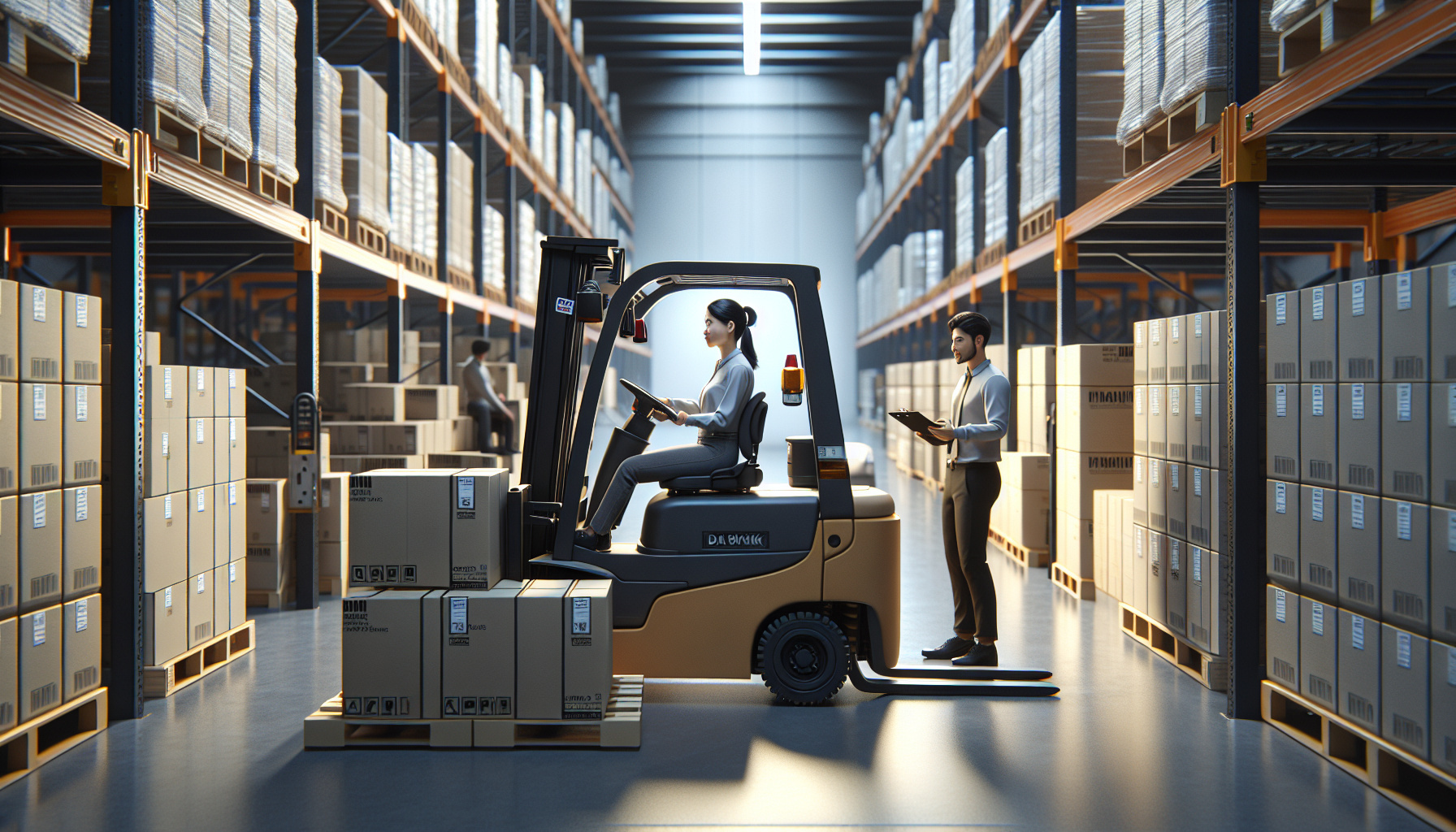
Understanding the Role of a Forklift Operator in 2025
Forklift operators are indispensable to countless operations, playing a critical role in moving, stacking, loading, and unloading materials. Their expertise ensures that goods are handled safely and efficiently, minimizing damage and optimizing workflow. In 2025, with sophisticated inventory management systems and automation becoming more prevalent, the operator's role increasingly involves interacting with advanced technology, emphasizing precision and problem-solving skills alongside traditional operating prowess. From bustling distribution centers to manufacturing plants and construction sites, the demand for competent operators remains high, making it an accessible career for many.
Practical Guidance: Navigating Your Path to a Forklift Job
1. Identifying Different Types of Forklift Operations and Environments
The term "forklift job" encompasses a broad spectrum of roles, each requiring specific skills and often different types of equipment. Understanding these distinctions is crucial for selecting a career path that aligns with your interests and capabilities. Here are some common environments and their associated forklift types:
- Warehouse and Distribution Centers: These are perhaps the most common settings. Operators here manage inventory, load/unload trucks, and move products within vast storage facilities. Common equipment includes counterbalance forklifts, reach trucks (for high stacking), order pickers, and pallet jacks. The pace can be fast, requiring excellent spatial awareness and efficiency.
- Manufacturing Plants: Forklifts transport raw materials to production lines, move work-in-progress, and handle finished goods. This environment often involves specialized attachments and precise maneuvering in confined spaces. Operators might use sit-down electric forklifts or even smaller walkie-riders.
- Construction Sites: Rough terrain forklifts, also known as telehandlers or variable reach trucks, are common here. They are designed to operate on uneven ground, lifting and moving heavy materials like lumber, steel, and concrete blocks. This role demands robust operating skills and a strong understanding of site safety.
- Shipping and Port Operations: Moving containers and heavy cargo requires powerful, large-capacity forklifts. Operators in these environments must be adept at handling extremely heavy loads and working in often busy, outdoor conditions.
- Cold Storage Facilities: Operating in refrigerated or frozen environments presents unique challenges, requiring specialized cold-resistant equipment and operators who can withstand extreme temperatures.
- Specialized Industries: Roles in lumberyards, recycling centers, chemical plants, or even airports may require specific training and experience with particular materials or hazardous goods.
2. Essential Skills, Training, and Certification
Becoming a proficient forklift operator involves more than just driving. Key skills and mandatory certifications are vital for safety and employability.
Key Skills:
- Hand-Eye Coordination and Spatial Awareness: Crucial for precise maneuvering in tight spaces and safely stacking loads.
- Attention to Detail: To check loads, identify hazards, and maintain equipment.
- Safety Consciousness: Paramount in this role to prevent accidents, injuries, and property damage.
- Problem-Solving Abilities: For navigating complex logistical challenges and minor equipment issues.
- Communication Skills: To coordinate with team members and supervisors effectively.
- Basic Mechanical Aptitude: Understanding daily maintenance checks and identifying potential issues.
Training and Certification:
In most countries, including the United States, operating a forklift requires specific training and certification. The Occupational Safety and Health Administration (OSHA) sets stringent requirements for powered industrial truck operators in the U.S. Similar regulatory bodies exist globally (e.g., HSE in the UK, WorkSafe in Australia). Key aspects include:
- Classroom Instruction: Covers forklift fundamentals, safety principles, stability triangle, load capacity, pre-operational checks, and relevant regulations.
- Practical Training: Hands-on experience operating a forklift under supervision, including maneuvering, lifting, stacking, and navigating obstacles.
- Evaluation: Both written and practical assessments to ensure competency.
- Employer Certification: While third-party training can provide a certificate of completion, the employer is ultimately responsible for ensuring operators are trained and certified for the specific types of equipment and conditions they will encounter on the job.
It's important to note that OSHA certification requires refresher training and evaluation at least once every three years, or sooner if an operator is involved in an accident, near-miss, or is assigned to a different type of forklift.
3. Finding Forklift Job Opportunities
The job market for forklift operators remains robust. Here's where to look:
- Online Job Boards: Websites like Indeed, LinkedIn, ZipRecruiter, and specialized logistics job boards frequently list forklift operator positions.
- Staffing Agencies: Many agencies specialize in connecting skilled industrial workers, including forklift operators, with temporary, temp-to-hire, and direct-hire positions.
- Company Websites: Major logistics companies (e.g., Amazon, FedEx, DHL), manufacturing firms, and large retailers often have career sections on their websites.
- Networking: Connect with other professionals in the logistics or manufacturing sectors.
- Local Workforce Development Centers: These often have listings and resources for local job opportunities and training programs.
Long-Term Considerations for a Forklift Operator Career
1. Career Progression and Advancement
A forklift operator role can be a stepping stone to various advanced positions within logistics and operations:
- Lead Operator/Team Lead: Taking on more responsibility, supervising a small team, training new operators, and coordinating tasks.
- Warehouse Supervisor/Manager: Overseeing entire warehouse operations, managing inventory, optimizing layouts, and ensuring compliance.
- Logistics Coordinator/Specialist: Planning and coordinating the movement of goods, often involving more administrative and strategic tasks.
- Forklift Trainer/Safety Officer: With extensive experience and additional certifications, operators can become trainers for new recruits or specialize in workplace safety.
- Equipment Maintenance Technician: For those with mechanical aptitude, understanding forklift mechanics can lead to roles in maintenance and repair.
2. Continuous Training, Recertification, and Adapting to Technology
The material handling industry is constantly evolving. Staying current is vital:
- Regular Recertification: As mentioned, OSHA requires recertification every three years. Treat this as an opportunity to refresh knowledge and skills.
- New Equipment Training: As new forklift models and technologies (e.g., automated guided vehicles (AGVs), telematics systems, advanced safety features) emerge, operators should seek training to remain proficient and versatile.
- Safety Updates: Stay informed about changes in safety regulations and best practices.
- Software Proficiency: Many modern warehouses utilize sophisticated Warehouse Management Systems (WMS) that operators interact with via onboard terminals. Familiarity with such systems can be a significant advantage.
3. Safety Responsibilities and Health Aspects
Safety is non-negotiable in forklift operations. Operators bear significant responsibility for their own safety and that of their colleagues. This includes:
- Daily Pre-Shift Inspections: Checking brakes, tires, lights, horn, fluid levels, and overall condition of the forklift.
- Load Security: Ensuring loads are stable and within the forklift's capacity.
- Awareness of Surroundings: Constantly monitoring pedestrians, other equipment, and potential hazards.
- Adherence to Site Rules: Following speed limits, designated pathways, and company-specific safety protocols.
- Reporting Issues: Immediately reporting any equipment malfunctions or safety concerns.
Physically, the job can involve prolonged sitting, repetitive movements, and exposure to varying environmental conditions (noise, dust, temperature extremes in some settings). Maintaining good physical health and proper posture is important to mitigate potential long-term issues.
4. Compensation and Job Outlook (2025 Perspective)
Forklift operator salaries can vary significantly based on location, industry, experience, and the type of equipment operated. As of 2025, the demand is expected to remain steady, particularly with the continued growth of e-commerce and logistical networks. The U.S. Bureau of Labor Statistics (BLS) provides outlook data for material moving machine operators, which includes forklift operators, projecting stable growth.
Table: Average Hourly Wages for Forklift Operators by Experience Level (Estimated 2025)
(Please note: These figures are approximations and can vary widely based on geographic location, specific industry, company, and economic conditions as of 2025.)
| Experience Level | Average Hourly Wage Range (USD) | Typical Responsibilities |
|---|---|---|
| Entry-Level (0-2 years) | $16.00 - $20.00 | Basic material handling, loading/unloading, simple stacking. |
| Mid-Level (3-5 years) | $20.00 - $25.00 | Proficient in various forklift types, complex maneuvering, inventory management support. |
| Experienced (5+ years) | $25.00 - $30.00+ | Expert operation, specialized equipment, training new operators, high-value goods handling, potentially lead roles. |
Factors like working in specialized environments (e.g., cold storage, hazardous materials) or operating complex equipment (e.g., very narrow aisle trucks, heavy-duty container handlers) often command higher wages. Overtime opportunities are also common in this field, especially during peak seasons.
Disclaimer: This guide provides general information on forklift jobs as of 2025 and should not be considered professional career advice. Specific requirements, salaries, and job availability may vary significantly by region, employer, and economic factors. Always prioritize safety, seek accredited training, and consult with career professionals for personalized guidance.
Frequently Asked Questions (FAQ)
Q1: What are the basic requirements to become a forklift operator?
A1: Generally, you need to be at least 18 years old, possess a valid driver's license (though not always strictly required for operating a forklift on private property, it is often preferred by employers), and successfully complete an accredited forklift training and certification program, which includes both theoretical and practical components. Good physical condition and vision are also crucial.
Q2: How long does forklift certification last, and how do I renew it?
A2: In the United States, OSHA certification for forklift operators is valid for a maximum of three years. To renew, operators typically need to undergo refresher training and re-evaluation. Certification may also need to be renewed sooner if an operator is involved in an accident, observes unsafe operations, or is assigned to operate a different type of forklift than previously certified for.
Q3: What are common career paths for experienced forklift operators?
A3: Experienced operators can advance into roles such as Lead Operator, Warehouse Supervisor, Logistics Coordinator, Safety Officer, or Forklift Trainer. Some may also transition into equipment maintenance or specialized roles within logistics and supply chain management, leveraging their hands-on experience and understanding of material flow.
Q4: Is automation a threat to forklift operator jobs?
A4: While automation and technologies like Automated Guided Vehicles (AGVs) are becoming more prevalent, they are not expected to entirely replace human forklift operators in the foreseeable future. Instead, automation often changes the nature of the job, requiring operators to interact with and manage these systems, focusing on more complex tasks, troubleshooting, and oversight. The demand for skilled human operators for non-standard loads, complex environments, and unforeseen situations will persist.
Q5: What are the main safety challenges in a forklift job?
A5: Primary safety challenges include tip-overs (due to unstable loads or operating on inclines), collisions with pedestrians or other equipment, falling loads, and injuries during mounting/dismounting or maintenance. Environmental factors like poor visibility, slippery surfaces, and confined spaces also pose significant risks. Strict adherence to safety protocols, daily equipment checks, and continuous training are essential to mitigate these challenges.
Sources
- Occupational Safety and Health Administration (OSHA) - Powered Industrial Trucks (Forklifts)
- U.S. Bureau of Labor Statistics (BLS) - Material Moving Machine Operators
- Material Handling Industry (MHI)
- Indeed Career Guide - Forklift Operator Salary
Embarking on or advancing a career as a forklift operator in 2025 offers a stable and essential role within the global supply chain. This guide has illuminated the diverse operational environments, from bustling warehouses to rigorous construction sites, highlighting the critical skills of spatial awareness, safety consciousness, and attention to detail. Key takeaways emphasize the non-negotiable importance of obtaining and maintaining proper certification through accredited training, adhering strictly to safety protocols, and engaging in continuous learning to adapt to new equipment and evolving technologies. Looking long-term, operators have clear pathways for career progression into supervisory, training, or logistics management roles. By embracing ongoing education, prioritizing safety, and understanding the industry's dynamic nature, forklift operators can secure a rewarding and stable future in a field that continues to be the backbone of material handling worldwide.